
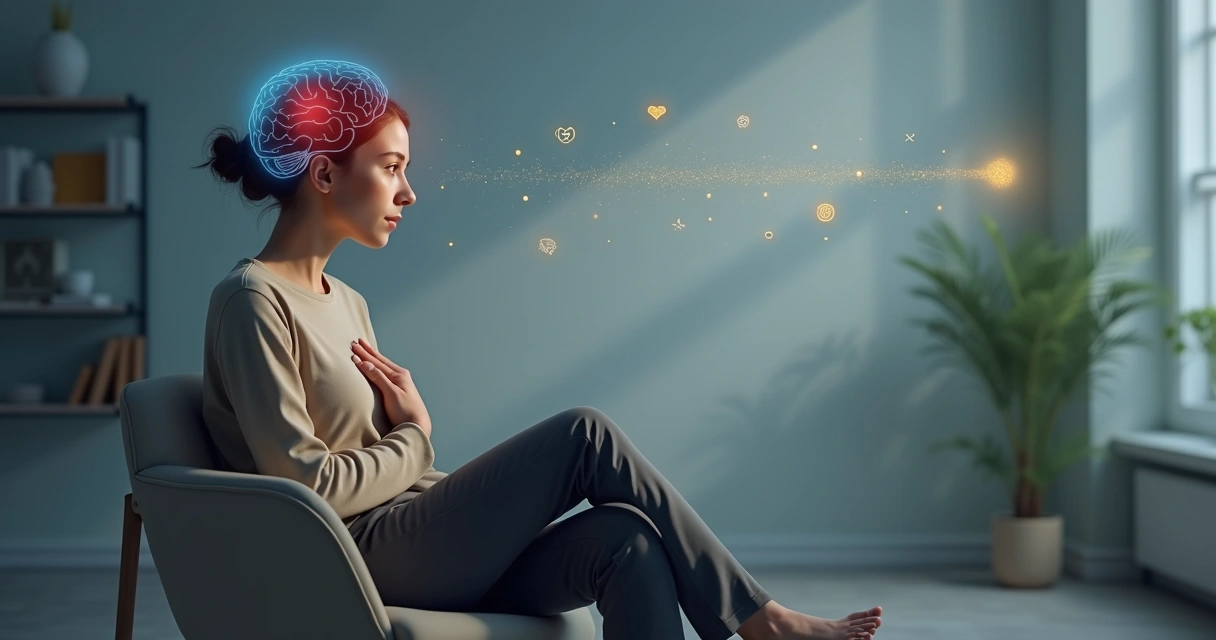
We have all experienced those moments when a sudden wave of emotion or automatic response seems to hijack our good intentions. Maybe it happens in a tense meeting, or during a conversation that feels surprisingly personal. At times, it is almost as if someone pressed an invisible button inside us, and we react before our minds can catch up. These moments often trace back to personal triggers, and by learning what sets them off, we open the door to greater clarity and self-leadership.
Understanding personal triggers and why they matter
Personal triggers are internal cues that set off automatic emotional, mental, or behavioral responses, often unrelated to the present situation. These reactions are sometimes subtle, sometimes very visible. In our experience working with many individuals, we have seen how triggers can influence not just private moments, but also decisions and relationships at work or at home. Unchecked, they can leave us feeling frustrated, disconnected, or even out of control.
Yet there is no need to see triggers as the enemy. When recognized, triggers become our guides to deeper understanding and change. They point us toward old stories, beliefs, or patterns that are ready for review. Awareness, not suppression, is the first step.
How to recognize your own triggers
We think that learning to spot triggers is like shining a light on a road you travel every day. The bumps don’t surprise you when you know where they are. Most personal triggers have a few things in common:
- They provoke emotional reactions that feel out of proportion to the current moment.
- They repeat, often in similar situations or with particular people.
- They pull us into automatic habits, snapping, withdrawing, blaming, or defending.
Notice what stings, and you find where to begin.
Recognizing triggers takes patience and curiosity, not criticism. Here are a few steps we recommend:
- Track your reactions: Pay attention when you feel a surge of emotion, anger, shame, anxiety, frustration. Where are you? Who are you with? What just happened?
- Identify patterns: Look for recurring themes, such as criticism, being ignored, feeling rushed, or facing uncertainty.
- Observe what happens next: How do you typically respond? Do you argue, try to please, withdraw, or distract yourself?
With each observation, you clarify the link between the trigger and your behavior. Over time, the invisible becomes visible.
The science behind reactive habits
Our brains are designed for efficiency. When faced with something uncomfortable or threatening, we fall back on well-worn paths. These reactive habits can be traced back to early experiences, repeated practice, or social learning.
A trigger activates a patterned sequence: thought, emotion, action. For example, if raised in an environment where mistakes meant criticism, any sign of error may instantly trigger anxiety and self-defense. After years of repetition, our nervous systems make these connections faster than we can consciously process.
That automatic nature has a purpose, to keep us safe or help us belong. But in adulthood, our circumstances may have changed even if our automatic reactions haven’t.
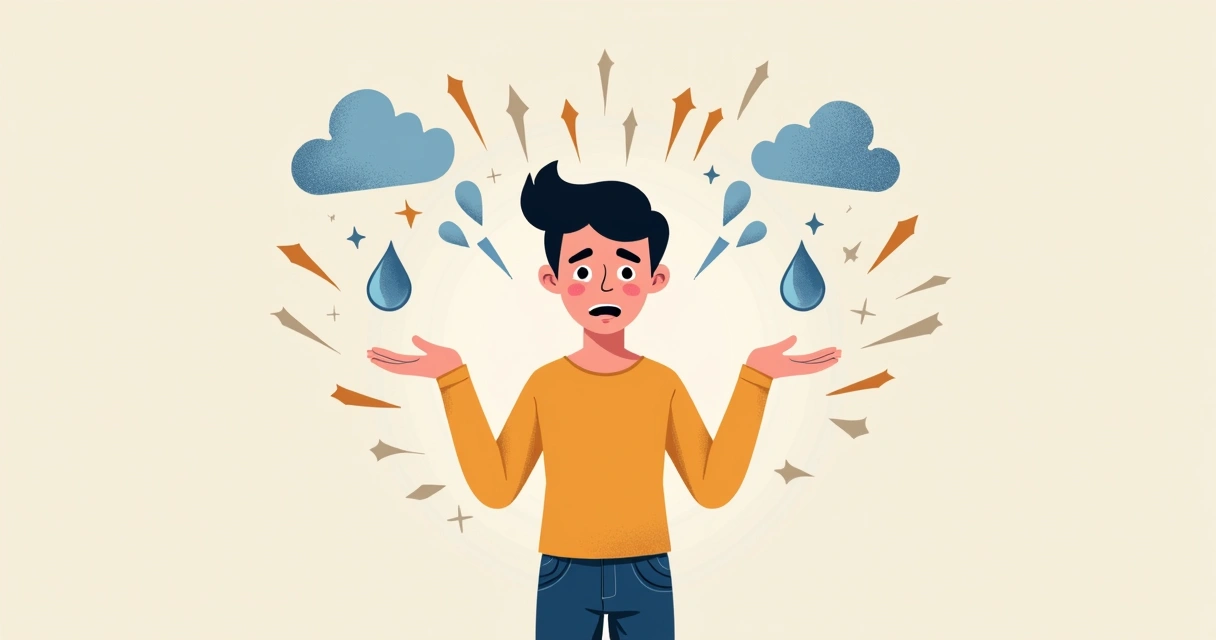
When triggers drive us, we risk missing the reality of what is actually happening. We respond to the past, not the present. This disconnect is fertile ground for misunderstandings, stress, or even regrets. Yet, every trigger is an invitation to update our inner wiring.
Reshaping your reactive habits: step by step
Once we know what sets us off, we face a choice. Do we continue on automatic pilot, or do we reshape our approach? In our work, we find that creating new habits is not about suppression, but about giving ourselves better choices in the moment.
1. Pause and notice
This sounds simple, but is often the hardest part. The moment of trigger is usually fast; awareness slows it down. We recommend a mental cue, such as silently counting to three or feeling your feet on the ground, whenever you sense a strong emotional wave.
2. Name the emotion and the urge
Saying, even silently, “I feel angry” or “I want to defend myself” creates distance between you and the reaction. By naming what is happening inside, you gain power over what happens next.
3. Ask yourself what this reminds you of
Often, triggers echo older stories. Maybe being interrupted reminds you of not being heard as a child. Maybe being corrected feels like rejection. When we know where the reaction comes from, it loses some of its force.
4. Choose response over reaction
With a breath and a brief check-in, we can decide: “Does this situation deserve my usual response, or could I try something else?” Sometimes, just staying quiet or asking a question (“Help me understand why you said that?”) interrupts old patterns.
Awareness makes room for new choices. Even one small change helps.
5. Practice compassion, for yourself and others
Reshaping habits takes time. Most of us return to old ways now and then. In our experience, the real shift happens when we treat each stumble as information, not failure.

When triggers become opportunities for growth
Every trigger, worked with sincerely, opens a window to our deeper patterns. Instead of pushing these moments away, we can learn from them. When we do, familiar situations start to feel different. The intensity fades; new responses are possible.
Our personal growth is measured, in part, by what we do with our triggers, not by never having them. As we come to know ourselves, our relationships and work benefit. We become more consistent, clear, and trustworthy, both to ourselves and those around us.
Conclusion
Recognizing personal triggers and reshaping reactive habits is a lifelong practice, not a quick fix. By staying attentive, curious, and patient with ourselves, we learn to pause, reflect, and respond in ways that better reflect our true intentions. These small steps, repeated over time, form the foundation for deeper self-leadership and healthier, more meaningful relationships. The process is not about never being triggered again, but about living with more clarity and choice every day.
Frequently asked questions
What are personal triggers?
Personal triggers are specific situations, words, or experiences that prompt automatic emotional or behavioral responses. They often reflect past experiences or unresolved patterns, leading to reactions that may not fit the current moment.
How do I identify my triggers?
You can identify triggers by paying attention to strong emotional reactions, especially when they seem bigger than the situation. Look for repeating patterns or scenarios where you react automatically, and keep a short journal to note common themes.
How can I change reactive habits?
Changing reactive habits involves building awareness first. Pause when you notice a strong reaction, name the feeling, and consider what might be fueling it. From there, choose a different, more supportive action instead of your usual response.
Why do personal triggers matter?
Personal triggers matter because they shape how we interact with others, make decisions, and handle stress. Recognizing them allows us to respond thoughtfully and avoid repeating unwanted patterns in our lives and relationships.
What are common examples of triggers?
Common triggers include being criticized, ignored, rejected, interrupted, or pressured. Other examples can be reminders of past failures, unmet expectations, or seeing others succeed when you feel left behind. Each person’s triggers are unique and often tied to personal history.